


Best Vitamin C Serum for Brightening Skin

Vitamin C is one of the most extensively studied ingredients in dermatological skincare. When formulated correctly, it can brighten dull skin, reduce the appearance of dark spots, support collagen production, and help defend against environmental damage. But not all vitamin C serums are created equal—and understanding what separates an effective formula from an ineffective one can save you time, money, and frustration.
This guide breaks down the science behind how vitamin C brightens skin, what to look for in a formula, how different types of vitamin C compare, and how to build a brightening routine that actually delivers results.
Dull, uneven skin tone is among the most common concerns seen in clinical skincare practice. Even with consistent sleep, hydration, and nutrition, skin can still appear flat and fatigued. A well-chosen vitamin C serum can make a meaningful difference—when you know what to look for.
How Does Vitamin C Work to Brighten Skin?

Vitamin C—also known as ascorbic acid in its pure form—is a potent antioxidant. It brightens and evens skin tone through three primary biological pathways.
Tyrosinase inhibition. Vitamin C inhibits tyrosinase, the enzyme responsible for triggering melanin synthesis in the skin. Reduced tyrosinase activity translates to fewer dark spots, diminished hyperpigmentation, and a more uniform complexion over time. A systematic review published in the Journal of Oral and Maxillofacial Pathology confirmed that vitamin C plays a meaningful role in reducing melanin pigmentation through this mechanism.
Free radical neutralization. UV exposure, pollution, and blue light (HEV light) generate free radicals that accelerate oxidative stress in the skin. This oxidative damage contributes to premature dullness, fine lines, and discoloration. A Bayesian meta-analysis of 31 randomized controlled trials involving over 700 volunteers demonstrated that topical vitamin C significantly reduced UV-induced pigmentation in a dose-dependent manner, confirming its role as a reliable antioxidant and antipigmenting agent.
Collagen synthesis support. Vitamin C plays a critical role in collagen synthesis. Collagen production naturally declines with age, leading to loss of firmness and skin vitality. By supporting the skin’s structural framework, vitamin C can help skin appear firmer and smoother alongside its brightening benefits.
The challenge lies in formulation. Not all serums deliver these benefits effectively—and understanding why starts with the ingredient itself.
Why Stability and Formulation Matter
Traditional vitamin C serums rely on L-ascorbic acid, the biologically active form of vitamin C. While this form is supported by extensive research, L-ascorbic acid is notoriously unstable. It oxidizes quickly when exposed to light, air, or water, turning yellow or orange in the bottle. It also requires a low pH to remain effective—which can cause stinging, redness, and irritation, particularly in sensitive skin types.
A vitamin C serum that oxidizes before reaching the skin—or causes sufficient irritation to interrupt consistent use—will not deliver meaningful brightening results. This is why many dermatologists and formulators have shifted toward more stable vitamin C derivatives, most notably THD Ascorbate.
Key Ingredients to Look for in a Vitamin C Serum
THD Ascorbate: A Stable, Lipid-Soluble Form of Vitamin C
THD Ascorbate (Tetrahexyldecyl Ascorbate) is a lipid-soluble, esterified form of vitamin C developed to address the stability and tolerability limitations of L-ascorbic acid.
Because THD Ascorbate is oil-soluble, it penetrates the skin’s lipid layers more efficiently than water-soluble forms. Once absorbed, it converts to active vitamin C within the skin—delivering brightening, collagen-supporting, and antioxidant benefits with improved tolerance and a longer shelf life.
Key advantages of THD Ascorbate:
- Highly stable: Resists oxidation on exposure to air or light
- Deeper skin penetration: Lipid-soluble structure facilitates access to deeper skin layers
- Skin-neutral pH: Effective without requiring a low, potentially irritating pH
- Well-tolerated: Less likely to cause stinging or redness, particularly in sensitive skin
- Supports collagen and elastin: Contributes to structural skin improvement alongside brightening
- Non-comedogenic: Won’t block pores
Antioxidant Blends for Broader Environmental Defense
Vitamin C is most effective when paired with complementary antioxidants. Free radicals from urban pollution and blue light (HEV light) contribute to skin dullness and uneven tone in ways that sunscreen alone does not fully address. Advanced formulas that pair vitamin C with additional antioxidant ingredients offer broader protection against these environmental stressors.
Prebiotic Support for the Skin Microbiome
A balanced skin microbiome underpins healthy-looking skin. When disrupted by harsh ingredients or environmental stressors, skin can appear dull, reactive, and uneven. Prebiotic ingredients such as Sodium Carboxymethyl Beta-Glucan help nourish microbiome balance, supporting a healthier baseline from which active brightening ingredients can work more effectively.
Supporting Antioxidant Ingredients
When evaluating any skin brightening serum, look for complementary ingredients that extend and deepen its effectiveness:
- Squalane: Deeply hydrating and supportive of the skin barrier
- Acetyl zingerone: Helps stabilize vitamin C and adds antioxidant protection
- Ergothioneine: A stable antioxidant that helps protect cells from oxidative stress
- CoQ10 (ubiquinone): Supports cellular energy and antioxidant defense
- Vitamin E (tocopherol/tocopheryl acetate): Acts synergistically with vitamin C to extend antioxidant protection
Understanding Vitamin C Concentrations
Concentration matters—but more is not always better. With L-ascorbic acid, concentrations above 20% tend to increase irritation risk without proportionally improving efficacy. A systematic review in the Journal of Cosmetic Dermatology noted that in vitro studies suggest a maximum effective percutaneous absorption concentration of around 20% for L-ascorbic acid, with no added benefit above that threshold.
THD Ascorbate formulas are generally better tolerated at higher concentrations because they do not require a low acidic pH to remain stable. Most products use concentrations between 1% and 30%.
For those new to vitamin C serums, beginning with once-daily application and gradually increasing frequency as the skin adjusts is a practical approach regardless of formula type.
How Blue Light and Urban Pollution Affect Skin Tone

Most people are familiar with UV damage—but two additional environmental stressors are increasingly linked to skin dullness and uneven tone: blue light (HEV light) from screens and indoor lighting, and fine particulate matter from urban pollution.
Research indicates that both blue light and airborne particulate matter generate free radicals that contribute to oxidative stress in the skin—accelerating discoloration, dullness, and premature aging. Standard SPF does not meaningfully protect against these specific stressors. For those who spend significant time in front of screens or in urban environments, a vitamin C serum with antioxidant coverage that specifically targets pollution- and HEV-generated free radicals may be a useful addition to an SPF-based routine.
How to Use a Vitamin C Serum Effectively
Consistent, correct application determines how much benefit you get from any brightening serum. Here is how to integrate one effectively into your routine:
Step 1: Cleanse First
Always apply a vitamin C serum to clean skin. Cleansing removes surface debris, excess sebum, and environmental pollutants that would otherwise impede absorption. A gentle, non-stripping cleanser is ideal—something that cleans effectively without disrupting the skin barrier. Options like the SkinMedica Facial Cleanser or SkinMedica Pore Purifying Gel Cleanser are well-suited to this step and are available through the Cunningham Clinic Store.
Step 2: Apply in the Correct Order
Apply your vitamin C serum after cleansing and before moisturizer. Dispense one pump into the palm and spread evenly across the face, avoiding the eye area. Most lotion-serum formulas absorb quickly and layer well under moisturizer and SPF.
Step 3: Use Morning and Evening
Morning application provides antioxidant defense against daytime environmental stressors. Evening application allows brightening ingredients to work alongside the skin’s natural overnight renewal cycle. Stable THD Ascorbate formulas are generally appropriate for both morning and evening use, unlike some L-ascorbic acid products recommended for morning use only.
Step 4: Follow With SPF in the Morning
Vitamin C and sunscreen are complementary. Vitamin C helps neutralize free radicals generated by UV exposure, while broad-spectrum SPF prevents new UV damage from occurring. Finish your morning routine with an SPF 30 or higher. The SkinMedica Essential Defense Mineral Shield SPF 35 offers mineral-based broad-spectrum protection and is available at the Cunningham Clinic Store. The SkinMedica Total Defense + Repair SPF 34 is another option that pairs antioxidant ingredients with sun protection for a complementary brightening-focused routine.
What Timeline Should You Expect?
Most individuals begin noticing improvements in radiance and skin texture within two to four weeks of consistent use. More meaningful changes in tone evenness, dark spot reduction, and firmness typically become visible between weeks six and eight. Consistency is the most critical variable—a well-formulated serum used irregularly will consistently underperform relative to its potential.
Under-Eye Brightening: What You Should Know
The under-eye area is frequently one of the first places where skin dullness, dark circles, and uneven tone become apparent. The skin there is considerably thinner and more delicate than elsewhere on the face, making it more susceptible to oxidative stress, circulatory changes, and volume loss.
Standard face serums—including vitamin C brightening serums—should not be applied directly to the under-eye area. That tissue requires a dedicated formula with ingredients and concentration levels appropriate for the periorbital zone.
For under-eye brightening, look for products specifically formulated for that delicate region. Tips for supporting the under-eye area:
- Never tug or pull the under-eye skin during application—use gentle patting motions only
- Use a product formulated specifically for the periorbital zone rather than adapting face serums to that area
- Prioritize sun protection around the eyes, where UV-driven pigmentation can worsen the visible appearance of dark circles over time
Building a Complete Brightening Routine

A vitamin C serum is most effective as part of a broader, well-structured skincare routine. Here is a logical framework:
- Cleanse: A gentle cleanser prepares skin to absorb active ingredients effectively
- Vitamin C serum: Applied to clean skin before moisturizer, morning and evening
- Eye treatment: A dedicated periorbital product kept separate from your face serum
- Moisturizer: Supports hydration and barrier function after active ingredients are absorbed
- SPF (morning only): Broad-spectrum sun protection to prevent new UV damage from reversing brightening progress
Layering products consistently—from thinnest to thickest, and from most active to most protective—helps ensure each formula performs at its best.
Common Misconceptions About Vitamin C Serums
“Stinging means it’s working.”
Stinging is a sign of irritation, not efficacy. Products formulated with THD Ascorbate at a skin-neutral pH can deliver clinically meaningful brightening results without that response. If a serum consistently causes discomfort, the formula warrants reconsideration rather than continued tolerance.
“A yellow or orange serum is more potent.”
When L-ascorbic acid oxidizes, it turns yellow or orange. That discoloration signals that the vitamin C has degraded—not that it is more concentrated. A properly stabilized formula, particularly one using THD Ascorbate, maintains its integrity from first use to last.
“You can only use vitamin C in the morning.”
Morning application is well-suited for antioxidant protection against daytime stressors, but a stable vitamin C formula can also support overnight skin renewal when used in the evening. Stable THD Ascorbate products are generally appropriate for twice-daily use.
“Higher irritation potential means stronger results.”
Potency and tolerability are not mutually exclusive. High-concentration THD Ascorbate formulas demonstrate that a meaningful active vitamin C dose can be delivered without the barrier disruption that often accompanies high-strength L-ascorbic acid products.
Vitamin C and Brightening Products at the Cunningham Clinic Store
The Cunningham Clinic Store carries a curated selection of professional-grade skincare products across multiple brands, all relevant to brightening, skin tone correction, and overall skin health. Below is an overview of relevant options available, organized by brand and purpose.
SkinMedica
SkinMedica offers a broad range of clinically developed skincare products, and several are directly relevant to brightening and tone correction. Cunningham Clinic is an authorized SkinMedica retailer.
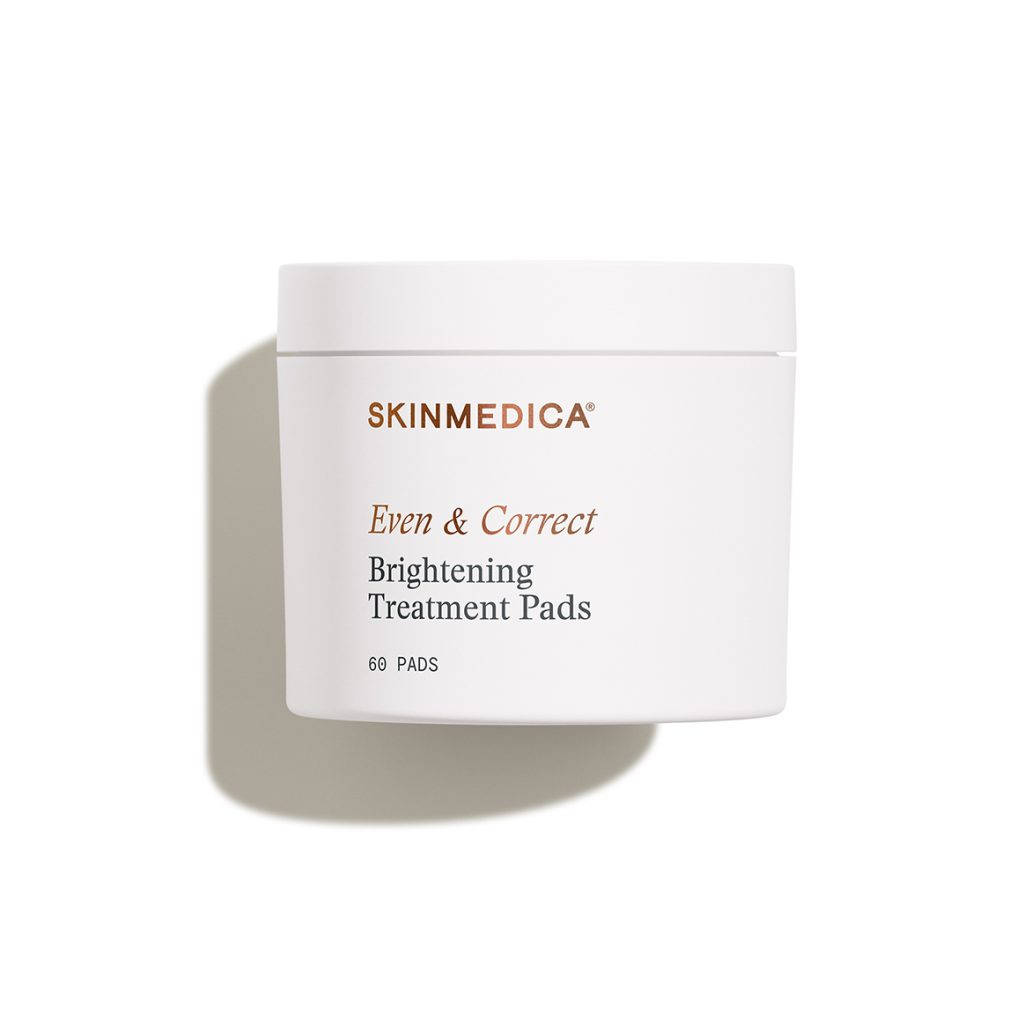
SkinMedica Even and Correct Brightening Treatment Pads
The SkinMedica Even and Correct Brightening Treatment Pads offer a convenient exfoliating and brightening option that can complement a serum-based vitamin C routine.
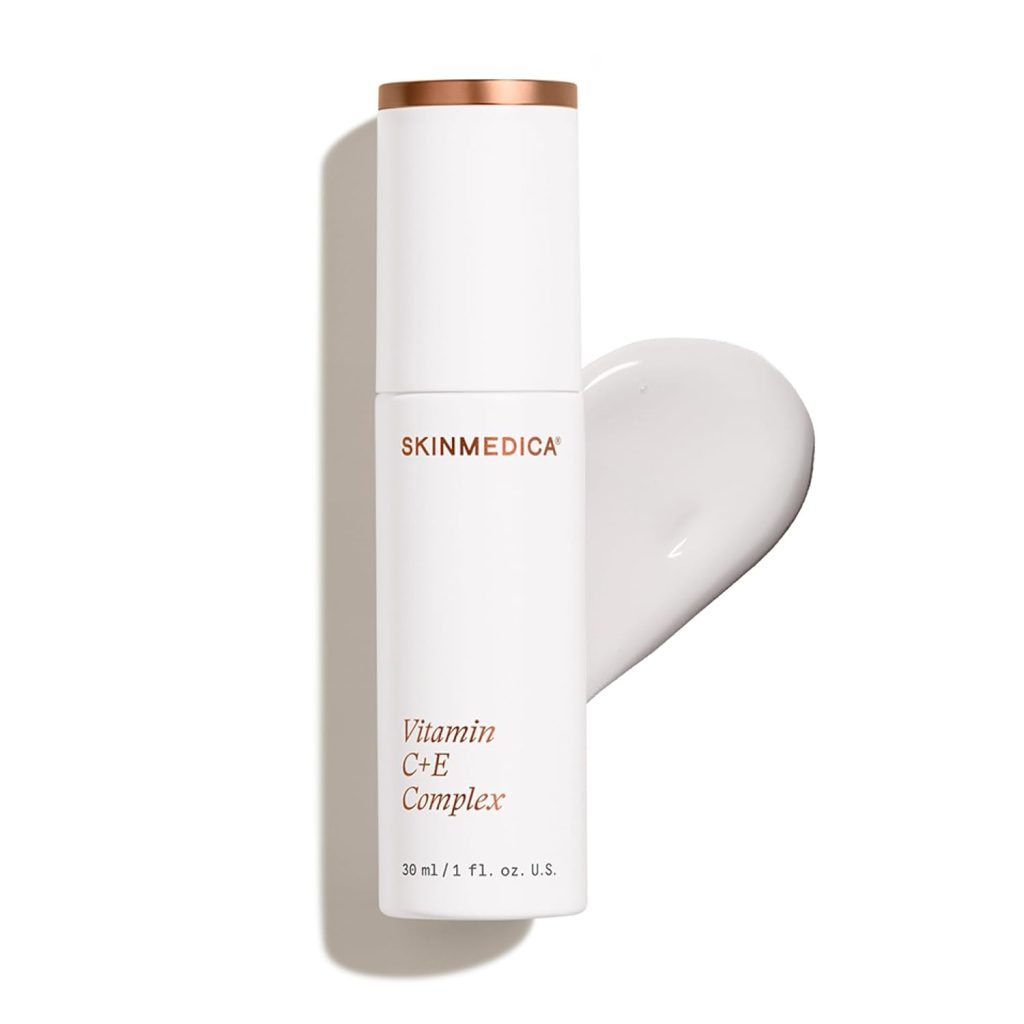
SkinMedica Vitamin C + E Complex
The SkinMedica Vitamin C + E Complex pairs vitamin C with vitamin E—two antioxidants that work synergistically to protect skin from oxidative damage and support a brighter, more even complexion. It’s a more accessible entry point into vitamin C skincare within the SkinMedica lineup.
Revision Skincare
Revision Skincare is a professional-grade brand with a strong focus on evidence-based formulation. Cunningham Clinic is an authorized Revision Skincare reseller.
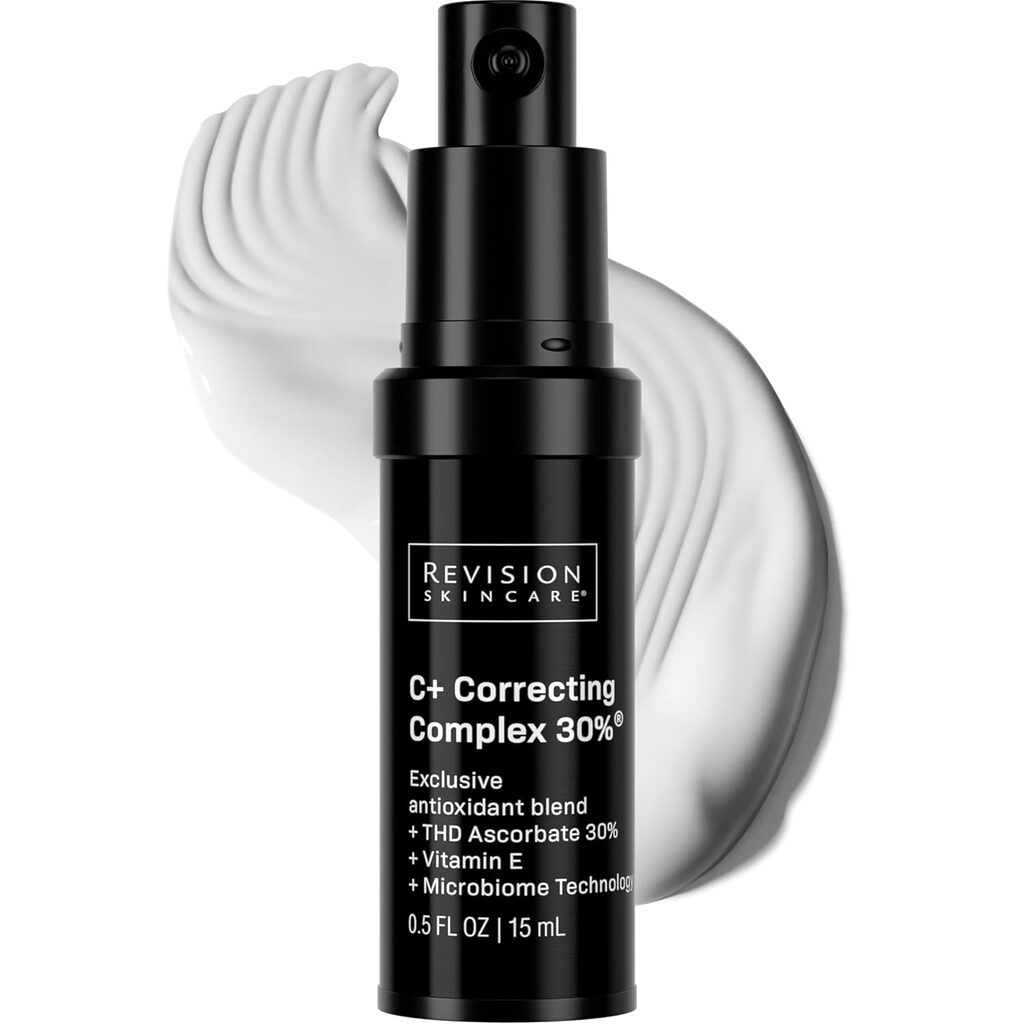
Revision C+ Correcting Complex 30%
The Revision C+ Correcting Complex 30% is a high-potency vitamin C lotion-serum formulated with 30% THD Ascorbate and patent-pending MelaPATH® Technology, a proprietary antioxidant blend designed to defend against free radicals from blue light and urban pollution. Formulated at a skin-neutral pH, it is well-suited for sensitive skin types who have experienced irritation with traditional L-ascorbic acid serums. The formula also incorporates prebiotic technology to support the skin microbiome.
Key formulation highlights:
- 30% THD Ascorbate concentration
- Patent-pending MelaPATH® Technology targeting blue light and urban pollution
- Prebiotic technology (Sodium Carboxymethyl Beta-Glucan) to support the skin microbiome
- Full antioxidant complex including squalane, ergothioneine, CoQ10, and vitamin E
- Non-comedogenic; appropriate for dry, oily, and combination skin types
Supporting Supplements from Xymogen
Skin health is also influenced from within. Xymogen offers clinically formulated supplements that provide systemic support for skin, antioxidant defense, and overall wellness—relevant in the context of a brightening-focused routine.
XYMOGEN Xcellent C
XYMOGEN Xcellent C provides a high-quality oral vitamin C supplement. While topical vitamin C works on the skin’s surface, oral supplementation supports systemic antioxidant status.

XYMOGEN Zinc Glycinate
XYMOGEN Zinc Glycinate provides a highly absorbable form of zinc, a mineral that plays an important role in skin repair and the regulation of inflammatory processes that can contribute to uneven tone.

Frequently Asked Questions About Vitamin C Serums for Brightening
What is the best vitamin C serum for brightening dull, uneven skin?
The best vitamin C serum for brightening uses a stable, bioavailable form of vitamin C at a clinically meaningful concentration. THD Ascorbate is increasingly favored over L-ascorbic acid for its stability, deeper skin penetration, and gentler pH profile. Look for a formula that combines vitamin C with complementary antioxidants and ingredients that support both the skin barrier and microbiome for more sustainable results over time.
What is the difference between THD Ascorbate and L-ascorbic acid in a brightening serum?
L-ascorbic acid is the biologically active form of vitamin C supported by decades of research. Still, it is unstable, requires a low pH to remain effective, and can irritate sensitive skin. THD Ascorbate is a lipid-soluble esterified derivative that is more stable, penetrates the skin more effectively, works at a skin-neutral pH, and converts to active vitamin C once absorbed. For consistent daily use and long-term brightening results, THD Ascorbate is generally the more practical choice—particularly for sensitive skin types.
How long does it take for a skin brightening serum to show visible results?
Most individuals begin noticing improved radiance within two to four weeks of consistent daily use. More significant improvements in tone evenness, dark spot reduction, and skin firmness typically become visible between weeks six and eight. Results are heavily dependent on consistency, formula quality, and individual skin factors.
Can a brightening serum be used as an under-eye brightener?
Brightening serums formulated for the face should not be applied directly to the under-eye area, which is significantly thinner and more sensitive than the rest of the face. Brightening the overall complexion can reduce the visual contrast that makes dark circles more prominent, but targeted under-eye treatment requires a dedicated product formulated for the periorbital zone—such as the SkinMedica Instant Bright Eye Cream or Revision C+ Brightening Eye Complex.
Is a high-concentration vitamin C serum suitable for all skin types?
This depends on the form of vitamin C being used. High-concentration L-ascorbic acid serums can be problematic for sensitive or reactive skin types due to low pH requirements. High-concentration THD Ascorbate formulas are generally better tolerated across skin types because they are effective at a skin-neutral pH. Those new to vitamin C should begin with once-daily use and increase frequency gradually as their skin adjusts.
Where can I find vitamin C skincare products from the Cunningham Clinic?
The Cunningham Clinic Store carries brightening and skin tone correction products from SkinMedica, Revision Skincare, and Xymogen, among others. All products are sold as an authorized retailer, ensuring authenticity with every purchase.



Comments are closed