


The Complete Guide to Peptides in Skincare

TL;DR: Peptides are short chains of amino acids that act as biological messengers, signaling your skin to produce collagen, elastin, and keratin. Found in all living organisms, peptides are clinically proven to reduce fine lines, improve skin firmness, and enhance hydration. There are four main types used in skincare: signal, carrier, enzyme inhibitor, and neurotransmitter peptides.
Your skin is constantly communicating with itself. Cells signal each other, proteins get built and broken down, and collagen production either thrives or slips—all without you noticing. Peptides sit right at the center of that conversation.
You’ve probably spotted the word “peptides” on serums, moisturizers, and anti-aging creams. Maybe you’ve wondered whether they’re genuinely effective or just a marketing buzzword. The short answer: they’re worth the attention. Peptides are among the most well-studied active ingredients in modern skincare, backed by decades of research into how skin ages and how it can be supported at the cellular level.
This guide covers everything you need to know—what peptides are, how they work, the science behind them, and how they can fit into your skincare and wellness routine. By the end, you’ll know exactly what to look for and why it matters.
What Are Peptides and How Do They Differ From Proteins?
Peptides are naturally occurring biological molecules found in all living organisms, including your skin. Structurally, they are short chains of amino acids—the same building blocks that make up proteins. The key difference is size: proteins are large, complex molecules, while peptides are smaller fragments, typically containing fewer than 50 amino acids linked together by peptide bonds.
That size distinction is actually critical for skincare. Collagen, for example, is a protein—but collagen molecules are too large to pass through the skin’s outer barrier when applied topically. Peptides, being significantly smaller, can penetrate the skin and get to work at a deeper level. Once absorbed, they function as messengers, telling your skin what to do next.
Think of amino acids as individual letters, peptides as short words, and proteins as full sentences. The “words” are short enough to travel through the skin; the “sentences” are not.
How Do Peptides Work in Skincare at a Cellular Level?

When applied topically, peptides act as biological signals. They mimic the body’s natural communication process, telling skin cells to start or speed up the production of structural proteins like collagen, elastin, and keratin—the key proteins responsible for skin’s texture, resilience, and strength.
Collagen gives skin its firmness. Elastin provides bounce. Keratin reinforces the outer barrier. As the body ages, production of these proteins slows down, and the peptide bonds within your skin naturally weaken. The result is the familiar progression: fine lines, reduced firmness, loss of elasticity, and a duller overall appearance.
Applying peptides topically essentially “tricks” the skin into thinking it needs to rebuild. The skin responds by ramping up its own protein synthesis. This is different from simply moisturizing or protecting the skin surface—peptides drive change at a cellular communication level.
What Are the Four Main Categories of Peptides in Skincare?
Peptide science research has identified four primary categories of peptides used in skincare formulations, each working through a distinct mechanism.
Signal Peptides
Signal peptides are the most widely researched type. They act like microscopic address labels, initiating cellular transport and directing the skin to begin producing specific structural proteins. Signal peptides stimulate fibroblast cells—the skin cells responsible for generating collagen and elastin—to increase output. Common examples include palmitoyl tripeptides, tetrapeptides, carnosine, and hexapeptides. Products targeting fine lines, sagging, and overall firming most commonly rely on signal peptides.
Carrier Peptides
Once the proteins know where to go, carrier peptides step in as molecular delivery systems, transporting trace minerals to the skin. The most well-known carrier peptide is copper peptide (GHK-Cu), which plays a role in the appearance of wound healing and tissue repair. Carrier peptides are especially beneficial for skin recovering from damage or undergoing significant renewal.
Enzyme Inhibitor Peptides
These peptides function as protective agents, blocking specific enzymes that break down collagen—enzymes like tyrosinase and certain matrix metalloproteinases. Enzyme inhibitor peptides help slow the natural degradation of existing collagen, preserve proteins already present in the skin, and can reduce the risk of hyperpigmentation. Think of them as a defense mechanism, slowing the rate at which the skin loses structural integrity.
Neurotransmitter Peptides
Neurotransmitter peptides work differently from the others. Rather than building proteins, they interrupt nerve-to-muscle communication, reducing the frequency and intensity of facial microcontractions. These tiny, repeated muscle movements eventually etch expression lines into the skin. The result is a smoother appearance over time, similar in concept (though not in mechanism or potency) to injectable neuromodulators.
What Are the Key Benefits of Peptides for Your Skin?

The benefits of incorporating peptides into a skincare routine extend across multiple areas of skin health. According to UChicago Medicine AdventHealth, peptides used in skincare products can deliver:
- Improved skin firmness and resilience
- Reduced appearance of fine lines and wrinkles
- Enhanced collagen and elastin production
- Better hydration and moisture retention
- Smoother skin texture and tone
- Stronger skin barrier function
- Reduced inflammation
- Support for overall skin repair and renewal
Because peptides are naturally occurring amino acid chains already found in the body, they rarely irritate and integrate well into most skincare routines. They also pair effectively with other active ingredients like hyaluronic acid and niacinamide.
The clinical evidence here is meaningful. A double-blind, placebo-controlled study published in Skin Pharmacology and Physiology examined the effects of oral bioactive collagen peptide supplementation in 114 women aged 45 to 65. After 8 weeks, participants taking the collagen peptides showed a 20% reduction in eye wrinkle volume, a 65% increase in procollagen type I content compared to the placebo group, and an 18% increase in elastin levels. Notably, positive effects persisted 4 weeks after participants stopped taking the supplement.
Do Collagen Peptides Help with Weight Loss and Overall Wellness?
Beyond skin health, collagen peptides have attracted growing research attention for their role in metabolic health and body composition—making them relevant not just for skincare but for broader wellness goals.
According to research published by OAE Publishing, collagen production declines by approximately 1.0%–1.5% per year beginning in the mid-to-late twenties. This decline affects not only the skin but also joints, muscles, and connective tissue throughout the body. Supplementing with collagen peptides may help offset some of this decline systemically.
For those interested in peptides for weight loss specifically, the evidence is promising. A published review in the journal Nutrients (MDPI, 2024) found that collagen supplementation reduced hunger and increased satiety, with subjects reporting greater feelings of fullness and satisfaction. Additionally, research reviewed by the National Institutes of Health confirmed that low-molecular collagen peptide supplementation had a beneficial effect on body fat reduction in older adults aged 50 and above, particularly when combined with regular physical activity.
Several mechanisms contribute to these effects:
- Satiety support: Collagen peptides are highly satiating per gram, potentially reducing overall caloric intake
- Muscle maintenance: Collagen provides glycine and proline, amino acids that support lean muscle tissue—critical for maintaining metabolic rate
- Joint and recovery support: Reduced joint discomfort from peptide supplementation can support more consistent physical activity
- Gut health: Some peptide research points to beneficial effects on the gut microbiome, which is increasingly linked to metabolic function
Collagen peptides used for wellness are typically taken as oral supplements, not applied topically. The mechanism differs from skincare peptides, but both categories work because peptides—in smaller, bioavailable fragments—are absorbed and used efficiently by the body.
How Should You Incorporate Peptides Into Your Skincare Routine?

Peptides are found in many skincare formats, but how you use them matters.
Choose leave-on products. Serums and moisturizers are the most effective delivery vehicles for peptides because they remain on the skin long enough to be absorbed. Cleansers, by contrast, rinse off before peptides have a chance to penetrate.
Apply after cleansing. The general rule: peptide serums go on after cleansing and before moisturizing. If you’re using multiple actives, apply from thinnest to thickest consistency. This ensures the peptide serum makes direct contact with the skin before being sealed in by a moisturizer.
Choose complementary ingredients. Peptides work well alongside hyaluronic acid (for hydration), niacinamide (for barrier support), and antioxidants (for environmental protection). They are generally compatible with most ingredients.
Be patient. Subtle improvements typically appear within several weeks, while more noticeable changes in firmness and line depth can take up to six months of consistent use.
Check the ingredient list. Effective peptide products list their peptide ingredients near the top of the formulation. Look for names like Palmitoyl Pentapeptide-4 (for firmness), Acetyl Hexapeptide-8 (for expression lines), Acetyl Tetrapeptide-2 (for Dermal-Epidermal Junction support), or copper peptide GHK-Cu (for repair and renewal).
What Does Peptide Sciences Research Show About Efficacy and Safety?
The peptide sciences field has grown substantially over the past two decades. Peptides are now recognized as among the most promising active ingredients in dermatology, with research published across peer-reviewed journals supporting their efficacy for collagen stimulation, skin repair, and anti-aging effects.
According to a review published by the National Institutes of Health (PMC), peptides are emerging candidates for the prevention and treatment of skin aging, with signal peptides and carrier peptides showing the strongest evidence for stimulating collagen synthesis, enhancing skin cell proliferation, and reducing inflammation.
Safety is another strong point. Because peptides are naturally occurring amino acid chains that the body already produces, they are well tolerated by most skin types. Side effects are rare when peptide products are used as directed. Those with highly reactive or sensitive skin should still consult a dermatologist or healthcare provider before adding new actives to their routine.
Quality and sourcing matter significantly when choosing peptide products. Look for formulations from brands that are developed through clinical research, rely on verified ingredients, and are sold through authorized medical or healthcare channels. This reduces the risk of counterfeit or underdosed products that don’t deliver meaningful concentrations of active peptides.
Peptide Products Worth Exploring
If you’re ready to add peptides to your routine, the following products available at Cunningham Clinic Store are worth considering. Each is formulated with clinically researched ingredients and sold through an authorized medical retailer.
SkinMedica TNS Advanced+ Serum® — A next-generation growth factor and peptide formula containing Trifluoroacetyl Tripeptide-2 and Dimer Tripeptide-43. Designed to target coarse wrinkles, sagging, and uneven tone, with results visible in as little as two weeks. In a third-party study, users reported looking up to 6 years younger after 12 weeks of use.

Revision DEJ Face Cream — Formulated around the Dermal-Epidermal Junction, the skin’s “longevity layer.” Contains Acetyl Tetrapeptide-2 and Palmitoyl Hexapeptide-14, which increase the production of Collagen IV, Fibronectin, and Elastin in the DEJ. Targets visible thinning, sagging, and loss of radiance.

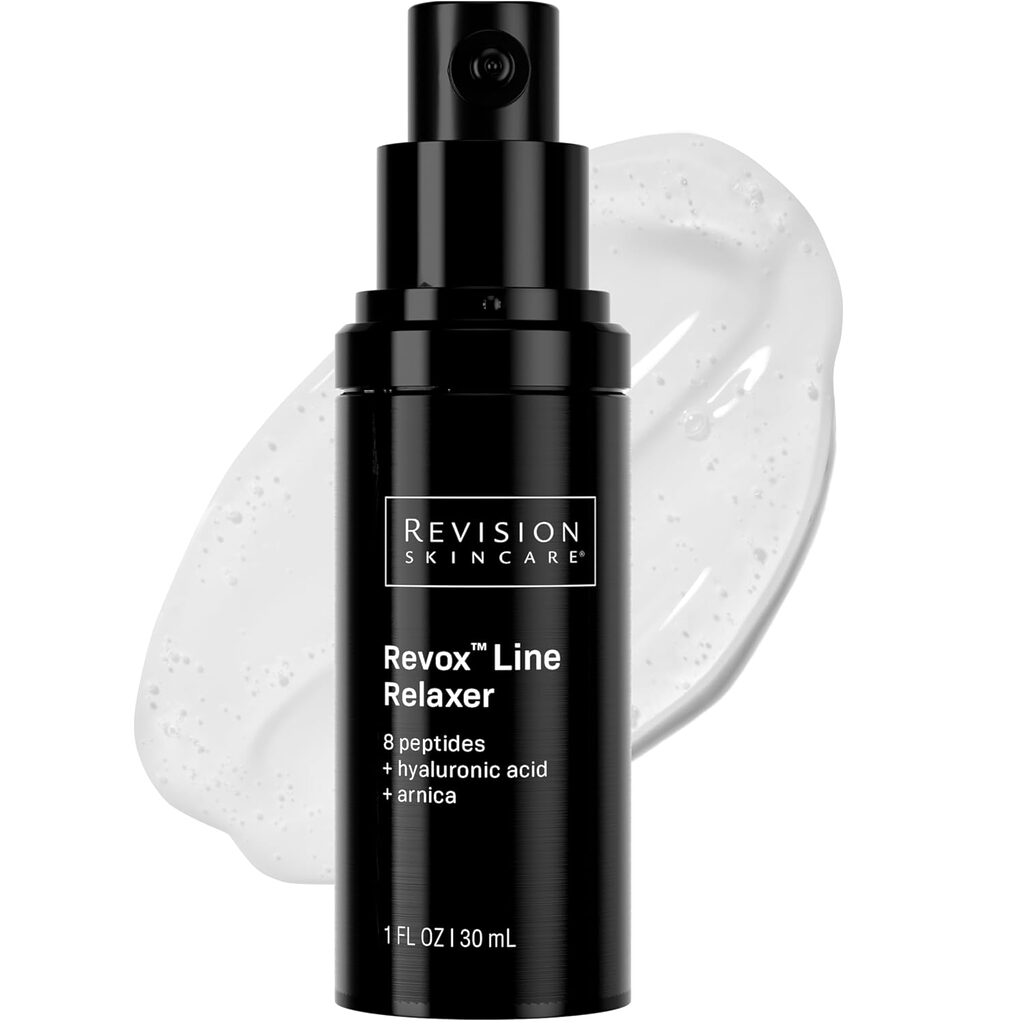
Revision Revox Line Relaxer 1.0 fl oz — A targeted peptide serum formulated with patent-pending LineRelax™ Technology, featuring eight bioavailable peptides including neurotransmitter peptides and GABA to visibly soften expression lines. Works effectively as a daily standalone treatment and is clinically shown to enhance results when paired with neurotoxin injections.
Build a Smarter Skincare Routine with Peptides
Peptides aren’t a trend—they’re a fundamental part of how skin maintains itself, and a well-established tool for slowing the visible effects of aging. The research is detailed: consistent use of high-quality peptide formulations supports collagen production, firms the skin, reduces fine lines, and strengthens the barrier over time.
Starting doesn’t have to be complicated. Choose one peptide serum or moisturizer targeted to your primary concern, apply it consistently after cleansing, and give it at least 8 to 12 weeks before evaluating results. If you’re also exploring collagen peptide supplements for broader wellness or weight management goals, look for clinically studied formulations and consult with a healthcare provider about what’s right for your body.
The skin you’re building today reflects what you do consistently—and peptides give you a reliable, science-backed foundation to work from. Learn more at Cunningham Clinic and enjoy products that help with clear, radiant skin at Cunningham Clinic Store.
Frequently Asked Questions About Peptides
What are peptides, and why are they used in skincare?
Peptides are short chains of amino acids that serve as building blocks for proteins like collagen and elastin. In skincare, peptides act as biological messengers that signal the skin to produce more of these structural proteins, which decline naturally with age. Peptides used in topical skincare can penetrate the skin’s outer barrier—unlike larger protein molecules—making them effective active ingredients for anti-aging, firming, and hydration.
What is the difference between collagen peptides and topical peptides in skincare?
Collagen peptides are small, bioavailable fragments of collagen protein, typically taken as oral supplements. When ingested, collagen peptides are absorbed into the bloodstream and distributed throughout the body, supporting skin, joints, and connective tissue. Topical peptides in skincare products are applied directly to the skin surface, where they penetrate and signal local cells to boost protein production. Both approaches use the same underlying biology—peptide signaling—but through different delivery methods.
How long do peptides take to show visible results?
Results vary depending on the specific peptide, the product formulation, and individual skin biology. Subtle improvements in hydration and texture are often noticeable within several weeks of consistent use. More meaningful changes in firmness, wrinkle depth, and skin tone typically take 8 to 12 weeks. For best results, peptide products should be used consistently and as part of a broader skincare routine.
Are there any side effects or risks associated with peptide skincare products?
Peptides are generally considered safe and well tolerated because they are naturally occurring amino acid chains already present in the body. Skin irritation is rare. Those with highly reactive or sensitive skin should patch-test new products and consult a dermatologist or healthcare provider before introducing new actives into their routine.
Can peptides for weight loss actually help with body composition?
Research suggests that collagen peptide supplementation may support weight management efforts. Collagen peptides have been shown to promote satiety, reducing overall caloric intake, and to support lean muscle maintenance—particularly in older adults. One NIH-reviewed study found beneficial effects on body fat reduction in adults over 50 when collagen peptide supplementation was combined with physical activity. Peptides alone are not a weight loss treatment, but they may complement a broader wellness approach.
How should I choose a peptide product for my specific skin concern?
Your skin concern determines which peptide type to prioritize. For fine lines and expression wrinkles, look for neurotransmitter peptides such as Acetyl Hexapeptide-8. For firmness and elasticity loss, Palmitoyl Pentapeptide-4 is well studied. Looking at skin repair, radiance, and wound healing support, copper peptide GHK-Cu is a strong option. For deeper structural support at the Dermal-Epidermal Junction, look for Acetyl Tetrapeptide-2 or Palmitoyl Hexapeptide-14. Always verify that your chosen product is from an authorized retailer to ensure ingredient integrity and proper dosing.
Are peptides better than retinol?
Peptides and retinol are not interchangeable—they work through different pathways and are best understood as complementary. Retinol accelerates cell turnover and can produce faster, more dramatic results, but it may also cause dryness, peeling, and sun sensitivity. Peptides deliver more gradual, sustained results with a gentler profile and are suitable for daily use by most skin types. Many dermatologists recommend using both in a well-structured routine rather than choosing one over the other.



Comments are closed