


The Complete Guide to Ashwagandha: Benefits, Dosage & Side Effects

TL;DR: Ashwagandha (Withania somnifera) is an adaptogenic herb used in Ayurvedic medicine for thousands of years. Clinical research supports its use to reduce stress, lower cortisol, improve sleep quality, and support cognitive function. Ashwagandha supplements are generally safe for short-term use, though certain groups—including pregnant women and those with thyroid conditions—should consult a healthcare provider before use.
Ashwagandha has made a quiet but forceful entrance into mainstream wellness culture. What was once a staple of traditional Indian medicine is now one of the most widely searched herbal supplements in the world. And the interest is not without reason. A growing body of clinical evidence suggests that ashwagandha can meaningfully support stress relief, sleep, and mental clarity—benefits that resonate strongly with anyone navigating a demanding modern lifestyle.
This guide covers everything you need to know about ashwagandha: what it is, how it works, what the research actually says, how much to take, what side effects to watch for, and how to choose a high-quality supplement. Whether you’re hearing about ashwagandha for the first time or looking to deepen your understanding before purchasing, you’ll find clear, practical answers here.
The Food and Drug Administration has not evaluated these statements. These products are not intended to diagnose, treat, cure, or prevent any disease. Always talk to your doctor before beginning any supplement.
What Is Ashwagandha?
Ashwagandha is an evergreen shrub—botanical name Withania somnifera—that grows natively across India, Africa, and parts of the Middle East. Its name comes from Sanskrit: “ashwa” for horse and “gandha” for smell, referring to the distinctive, horse-like scent of its roots. The plant is also commonly called winter cherry or Indian ginseng, although ashwagandha is not botanically related to ginseng.
The species name somnifera is Latin for “sleep-inducing,” which hints at one of the plant’s oldest and most studied benefits. For over 3,000 years, ashwagandha has been a cornerstone of Ayurvedic medicine—the traditional healing system of India—where it was used as an adaptogen to strengthen the body’s resilience to physical and mental stress.
Most commercial ashwagandha supplements are made from the plant’s root, though some products use extracts from both the root and leaf. The chemical composition differs between these plant parts, which is why the specific extract used in a supplement matters when evaluating its effectiveness and potency.
How Does Ashwagandha Work?
What is an adaptogen and how does ashwagandha function as one?
Adaptogens are natural compounds or botanicals that help the body adapt to stressors—whether physical, biological, or psychological—without causing significant side effects. Ashwagandha is one of the most well-researched adaptogens available, according to the National Institutes of Health (NIH).
The key active compounds in ashwagandha are called withanolides—a class of steroidal lactones believed to be largely responsible for the herb’s effects on the body. Withanolides are thought to modulate the body’s stress response system, particularly the hypothalamic-pituitary-adrenal (HPA) axis, which regulates cortisol production. When this system fires too frequently—as it does under chronic stress—cortisol levels stay elevated, contributing to fatigue, poor sleep, anxiety, weight gain, and more.
By helping to regulate this stress pathway, ashwagandha works at the root of many common stress-related complaints rather than just masking symptoms. Other non-withanolide compounds in the plant may also play a supporting role, though research on these is still emerging.
Key Health Benefits of Ashwagandha
| Benefits | Men | Women |
| Stress & anxiety reduction | ✅ | ✅ |
| Lower cortisol levels | ✅ | ✅ |
| Improved sleep quality | ✅ | ✅ |
| Enhanced memory & focus | ✅ | ✅ |
| Improved psychological well-being | ✅ | ✅ |
| Increased testosterone levels | ✅ | — |
| Improved sperm quality | ✅ | — |
| Reduced stress-related hair thinning | ✅ | ✅ |
| Support for healthy cortisol & DHEA levels | ✅ | ✅ |
Does ashwagandha actually reduce stress and anxiety?
Multiple randomized, placebo-controlled clinical trials say yes—with a meaningful degree of consistency.
A 2021 systematic review published in the Journal of Herbal Medicine identified seven clinical trials examining ashwagandha’s effects on stress and anxiety in a combined total of 491 adults. According to the NIH’s review of these studies, ashwagandha extract significantly reduced stress and anxiety scores on validated rating scales, reduced sleeplessness and fatigue, and lowered serum cortisol levels compared to placebo. Benefits were more pronounced at doses of 500 to 600 mg/day.
One particularly noteworthy trial conducted in India randomized 130 healthy adults with self-reported stress to take a sustained-release ashwagandha root extract or placebo for 90 days. Compared to the placebo group, participants taking ashwagandha reported measurable improvements in stress levels, sleep quality, psychological well-being, memory, and focus—and they showed lower serum cortisol levels.
How does ashwagandha help lower cortisol?
Cortisol is the body’s primary stress hormone. Short bursts of cortisol are healthy and necessary. Chronically elevated cortisol, however, is linked to disrupted sleep, weight gain, immune suppression, and accelerated aging.
A well-cited clinical study found that participants in the ashwagandha group experienced a statistically significant 23% reduction in serum cortisol levels over the course of the study, compared to the placebo group. A more recent study published in PubMed Central (2025) similarly found statistically significant reductions in cortisol levels alongside improvements on validated stress and anxiety scales.
These findings align with ashwagandha’s mechanism as an adaptogen: by modulating the HPA axis, ashwagandha supplementation may help bring elevated cortisol closer to a healthy baseline over time.
Can ashwagandha improve sleep quality?
Yes—and the evidence here is fairly compelling, especially for people dealing with insomnia or poor sleep quality.
A randomized, double-blind, placebo-controlled study published in Sleep Medicine found that participants taking ashwagandha root and leaf extract (Shoden, standardized to 21 mg withanolide glycosides per 60 mg capsule) for just six weeks reported a 72% improvement in self-reported sleep quality, compared to 29% in the placebo group. Objective measures using wrist actigraphy also showed improvements in sleep efficiency, total sleep time, and sleep onset latency.
A broader 2021 systematic review and meta-analysis confirmed these findings across five studies: ashwagandha had a small but statistically significant positive effect on sleep, with benefits being more prominent at doses of 600 mg/day and when supplementation lasted at least eight weeks. People with diagnosed insomnia tended to experience the greatest improvements.
What are the potential testosterone and reproductive health benefits of ashwagandha?
Research on ashwagandha’s effects on male reproductive health is promising, though still considered preliminary. According to the National Center for Complementary and Integrative Health (NCCIH), there is some limited evidence suggesting that taking ashwagandha for two to four months may increase testosterone levels and improve sperm quality in men.
Because ashwagandha use may increase testosterone levels, some experts note that men with hormone-sensitive prostate cancer should avoid using ashwagandha supplements. Consult your healthcare provider to determine what is appropriate for your situation.
Does ashwagandha support cognitive function and mental clarity?
Emerging research suggests it does. A 2024 study published in MDPI Nutrients found that ashwagandha supplementation at 225 mg may improve measures of memory, attention, and vigilance. A separate study published on PubMed Central reported significant improvements in cognitive function associated with ashwagandha supplementation, including reductions in pro-inflammatory cytokines.
One trial conducted in India randomized stressed adults to ashwagandha or placebo for 90 days and observed notable improvements in psychological well-being, memory, and focus among the ashwagandha group.
Ashwagandha Dosage: How Much Ashwagandha Should You Take?

What is the recommended ashwagandha dosage?
This is one of the more complicated questions because studies have used a wide range of doses and formulations. That said, several patterns emerge from the clinical literature:
- For stress and anxiety: An international task force from the World Federation of Societies of Biological Psychiatry (WFSBP) and the Canadian Network for Mood and Anxiety Treatments (CANMAT) has provisionally recommended 300 to 600 mg/day of ashwagandha root extract, standardized to 5% withanolides, for generalized anxiety disorder. They note that more research is needed to confirm this recommendation.
- For sleep: Clinical trials show meaningful benefits at 250 to 600 mg/day, with better results at higher doses and longer durations (at least 8 weeks).
- For general stress support: Many studies reporting positive outcomes used doses in the 300 to 600 mg/day range over periods of 6 to 12 weeks.
According to integrative medicine specialists at the Cleveland Clinic, a reasonable guideline is no more than 500 mg twice daily, or as recommended by a knowledgeable healthcare professional.
The extract type matters too. Standardized extracts—where the concentration of withanolides is defined and consistent—tend to deliver more predictable results than unstandardized whole-root powders.
How long does ashwagandha take to work?
Most clinical trials report noticeable improvements within four to eight weeks of consistent use. Cortisol reductions and sleep improvements have been documented as early as six weeks. Stress-related benefits may begin within 30 days for some individuals, though full effects typically take longer.
Should I consult a healthcare provider before taking ashwagandha?
Yes. While ashwagandha is generally well-tolerated, it can interact with certain medications and may not be appropriate for everyone. Always speak with your doctor or healthcare provider before starting any new supplement, particularly if you take prescription medications or have an existing health condition.
Ashwagandha Side Effects and Safety Considerations
What are the common side effects of ashwagandha supplements?
Ashwagandha is well-tolerated by most people for periods up to about three months. The most commonly reported side effects are mild and include:
- Upset stomach or loose stools
- Nausea or vomiting
- Drowsiness
These effects are typically dose-dependent and often resolve on their own. According to WebMD’s review of ashwagandha safety, drowsiness is more likely when ashwagandha is combined with alcohol or sedative medications.
What are the serious side effects of ashwagandha?
Less commonly, ashwagandha use has been associated with more serious adverse effects:
- Liver toxicity (hepatotoxicity): Several case reports have documented acute liver injury in individuals taking ashwagandha supplements. While rare, these cases highlight the importance of using standardized, professional-grade products and monitoring for symptoms like jaundice, dark urine, abdominal pain, or unusual fatigue. In the documented cases reviewed by the NIH, symptoms resolved after discontinuing the supplement.
- Thyroid function changes: Ashwagandha may affect thyroid hormone levels. Both increases in T3/T4 and rare cases of thyrotoxicosis have been reported. People with thyroid conditions—whether hypothyroidism or hyperthyroidism—should consult a physician before use.
- Allergic reactions: Severe allergic reactions, while uncommon, are possible. Seek immediate medical attention if you experience breathing difficulty, hives, or throat tightening.
Who should not take ashwagandha?
Based on current evidence, the following groups should avoid ashwagandha or use it only with direct medical supervision:
- Pregnant women: Some research suggests ashwagandha may contribute to uterine contractions. The American Herbal Products Association and several international health agencies recommend against use during pregnancy.
- Breastfeeding women: Insufficient safety data exists for breastfeeding.
- People with thyroid conditions: Ashwagandha may alter thyroid hormone levels and interact with thyroid medications like levothyroxine.
- Men with hormone-sensitive prostate cancer: Due to the potential for increased testosterone.
- People taking sedatives, immunosuppressants, antidiabetes medications, or antihypertensives: Ashwagandha may interact with these drug classes.
How long is it safe to take ashwagandha?
Most clinical trials have studied ashwagandha supplementation for up to three months. Ashwagandha is generally considered well-tolerated within this window. Long-term safety data beyond three to six months is limited, so periodic reassessment with a healthcare provider is prudent for anyone considering ongoing supplementation.
How to Choose the Best Ashwagandha Supplement

What should I look for in a high-quality ashwagandha supplement?
Not all ashwagandha supplements are created equal. Potency, purity, and standardization vary widely between products—and these factors directly affect results. Here’s what to look for:
1. Standardized withanolide content. Look for supplements that specify the percentage of withanolides. Clinical studies with consistent results have typically used extracts standardized to 2.5% to 35% withanolides. Higher standardization generally means greater potency.
2. Clean formulation. High-quality ashwagandha supplements are free from common allergens, artificial additives, GMO ingredients, and unnecessary fillers.
3. Appropriate dosage form. Ashwagandha is available in capsules, gummies, liquid drops, and powders. Capsules with standardized extracts are most commonly used in clinical research and tend to offer the most consistent dosing.
Choose a professional-grade supplement over a discount store option when possible, especially if you have specific health goals or are working with a healthcare provider.
Ashwagandha for Hair Health: What’s the Connection?
Can ashwagandha help with hair thinning?
Stress and elevated cortisol are well-established contributors to hair thinning and hair loss. When cortisol levels stay high for extended periods, they can disrupt the hair growth cycle, pushing follicles prematurely into the resting (telogen) phase. The result is increased shedding and reduced hair density.
By helping to regulate cortisol, ashwagandha addresses one of the key internal drivers of stress-related hair thinning. This is not a topical solution—it’s a systemic approach that targets the hormonal environment in which your hair follicles operate.
Ashwagandha Supplements and Hair Care Products at Cunningham Clinic Store
If you’re ready to incorporate ashwagandha into your wellness or hair health routine, Cunningham Clinic Store offers professional-grade options from trusted brands.
XYMOGEN Ashwagandha 35

XYMOGEN Ashwagandha 35 is one of the most potent standardized ashwagandha supplements available. It features Shoden®, a purified extract derived from both the leaves and roots of the ashwagandha plant, standardized to an industry-leading 35% withanolide glycosides. That concentration is significantly higher than most commercially available ashwagandha products, making it a strong choice for those seeking maximum adaptogenic support.
The formula is free from wheat, gluten, soy, dairy, GMOs, artificial colors, sweeteners, and preservatives. The suggested use is one to two capsules daily, or as directed by your healthcare professional. A verified customer review notes: “Ashwagandha has made a noticeable difference in how I handle stress. I’m calmer under pressure, and my sleep quality has improved.”
XYMOGEN Cortisolv
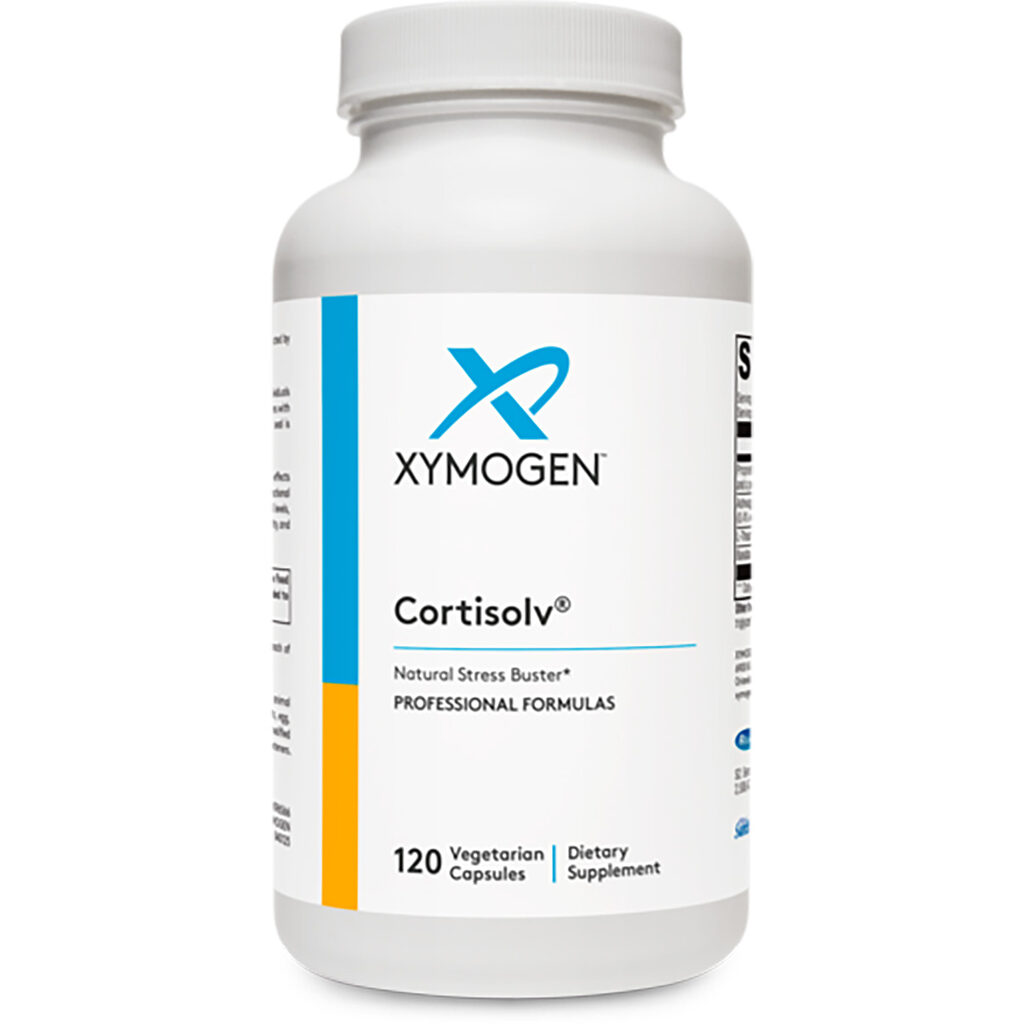
For those dealing with ongoing, high-stress demands, XYMOGEN Cortisolv offers a multifaceted approach to cortisol support. Cortisolv combines four clinically studied, patented ingredients in a single capsule:
- Sensoril® Ashwagandha Extract (150 mg) – An optimized Withania somnifera root and leaf extract shown in clinical trials to support healthy cortisol and DHEA levels, cognitive function, and overall stress resilience.
- Relora® (250 mg) – A patented blend of Magnolia officinalis and Phellodendron amurense extracts that supports relaxation and helps manage stress-related eating behavior.
- Suntheanine® L-Theanine (100 mg) – Nearly 100% pure L-isomer theanine that supports calm, alert mental states without sedation.
- Banaba Leaf Extract (50 mg) – Supports healthy glucose metabolism and modulates an enzyme involved in the conversion of cortisone to cortisol.
Cortisolv is designed to support calm focus during the day and deeper relaxation at night—without leaving you feeling foggy or sedated. The suggested use is one capsule twice daily. Browse XYMOGEN supplements at Cunningham Clinic Store to explore the full range.
Nutrafol Men 2-in-1 Shampoo and Conditioner

Addressing stress-related hair thinning from the inside is one approach. Supporting your scalp from the outside is another—and Nutrafol Men 2-in-1 Shampoo and Conditioner is formulated specifically to do just that.
This dermatologist-developed, sulfate-free formula includes ashwagandha to help lower cortisol levels and address stress-related thinning at the scalp level, alongside hydrolyzed keratin, marine collagen peptides, and antioxidant-rich botanicals that repair and strengthen hair fibers. The formula supports a healthy scalp microbiome, dissolves product buildup, and conditions without silicones or synthetic fragrances.
It is free from parabens, phthalates, silicones, sulfates, and synthetic fragrance—and it’s the first and only 2-in-1 shampoo and conditioner to be certified microbiome-friendly. Pairing topical scalp support with an internal supplement like Cortisolv or Ashwagandha 35 creates a comprehensive strategy for managing stress-related hair thinning. Browse Nutrafol products at Cunningham Clinic Store.
Getting the Most Out of Ashwagandha: Practical Takeaways
Ashwagandha delivers the most consistent results when used systematically, at an appropriate dose, for a sufficient duration. A few practical guidelines:
- Start with a clinically studied extract. Shoden®, Sensoril®, and KSM-66 have the most robust human trial data behind them.
- Be patient. Most clinical studies measure benefits at six to twelve weeks, not days.
- Consistency matters. Daily supplementation at a consistent dose produces far better results than occasional use.
- Combine with other evidence-backed approaches. Ashwagandha works best as one part of a broader stress management strategy that includes sleep hygiene, physical activity, and appropriate nutrition.
- Talk to your provider. A qualified healthcare professional can help you determine the right dose, format, and duration for your specific situation
The Food and Drug Administration has not evaluated these statements. These products are not intended to diagnose, treat, cure, or prevent any disease. Always talk to your doctor before beginning any supplement.
Frequently Asked Questions About Ashwagandha
Is ashwagandha the same as Indian ginseng?
Ashwagandha is sometimes called Indian ginseng, but the two plants are botanically unrelated. Ashwagandha (Withania somnifera) belongs to the nightshade family, while true ginseng belongs to the Panax genus. They share some adaptogenic properties but have different active compounds and mechanisms of action.
How much ashwagandha should I take for stress?
An international medical task force has provisionally recommended 300 to 600 mg/day of standardized ashwagandha root extract (5% withanolides) for stress and anxiety support. Most clinical trials reporting meaningful cortisol reductions also used doses in this range. Always follow the specific product’s label directions and consult your healthcare provider.
Can I take ashwagandha every day?
Clinical trials have used ashwagandha daily for periods of six to twelve weeks with good tolerability. Daily use within this window appears to be safe for most healthy adults. Long-term safety data beyond three to six months is currently limited, so periodic check-ins with a healthcare provider are a sensible precaution.
What are the main ashwagandha side effects I should watch for?
The most common side effects are mild gastrointestinal symptoms (nausea, loose stools, stomach upset) and drowsiness. Rare but more serious effects include liver toxicity and thyroid disruption. Stop use and consult a doctor if you experience jaundice, dark urine, unusual fatigue, or signs of an allergic reaction.
Is ashwagandha safe for women?
Ashwagandha is generally considered safe for healthy, non-pregnant women in the short term. However, ashwagandha is not recommended during pregnancy due to a potential risk of uterine contractions, nor for women who are breastfeeding. Women with thyroid conditions or endocrine disorders should also consult their healthcare provider before use.
What is the difference between ashwagandha root extract and whole root powder?
Root extracts are concentrated and standardized to specific withanolide percentages, which means you know exactly how much of the active compound you’re getting per dose. Whole root powder is less concentrated and varies in potency. Clinical studies have primarily used standardized extracts, which is why extract-based supplements tend to show more consistent results.
Does ashwagandha affect sleep the same way as melatonin?
No. Melatonin works by directly signaling the body’s circadian clock to initiate sleep. Ashwagandha works more indirectly—by reducing cortisol and promoting a calmer physiological state, which creates a better internal environment for natural, restorative sleep. The two mechanisms are complementary rather than identical.



Comments are closed