


Hair Loss in Men: Causes, Treatments, and What the Science Says About Hair Growth

Hair loss is one of the most common health concerns men face—yet it rarely gets the open conversation it deserves. According to research published in the National Library of Medicine, 16% of men aged 18–29 already show moderate to extensive hair thinning. By the time men reach their 40s, that figure climbs to 53%. The Mayo Clinic estimates that by age 50, approximately 85% of men will experience some degree of male pattern hair loss during their lifetime.
For many men, thinning hair isn’t just a cosmetic concern. It can affect confidence, self-image, and overall well-being. The good news is that hair loss research has advanced considerably in recent years, and there are more options available today than ever before—from lifestyle changes and vitamins for hair growth to non-surgical hair treatments and prescription therapies.
This guide covers what causes hair loss in men, what the evidence says about the most common approaches to hair treatment, and how to build a plan that works for your specific situation.
Why Does Hair Thinning Happen? Understanding the Hair Growth Cycle
Before exploring treatments, it helps to understand how hair actually grows—and why that process breaks down.
Each strand of hair follows a repeating cycle with three phases:
- Anagen (growth phase): Active hair growth, lasting two to seven years. Under healthy conditions, roughly 85–90% of your hair is in this phase at any given time.
- Catagen (transition phase): A short two-to-three-week period where growth stops, and the follicle begins to shrink.
- Telogen (resting and shedding phase): The hair detaches and falls out, typically replaced by a new strand beginning its anagen phase.
When this cycle is disrupted—by hormones, stress, nutritional deficiencies, or other factors—more hairs shift into the shedding phase before new growth can replace them. That’s when thinning becomes visible.
What Causes Hair Loss in Men?

A single factor rarely causes hair thinning in men. Understanding the root causes is the first step toward choosing the right hair treatment approach.
Androgenetic Alopecia (Male Pattern Hair Loss)
This is the most common form of hair loss in men, affecting the majority of men to some degree by middle age. According to NIH StatPearls, androgenetic alopecia is driven by a combination of genetic predisposition and the hormone dihydrotestosterone (DHT).
DHT is produced when an enzyme called 5-alpha-reductase converts testosterone. In men who are genetically sensitive to DHT, it binds to hair follicle receptors and causes them to shrink—a process called gradual miniaturization. Over time, affected follicles produce thinner, shorter strands until they stop producing hair altogether.
Male pattern hair loss typically follows a recognizable progression: a receding hairline at the temples, thinning at the crown, and eventual merging of those areas.
Telogen Effluvium (Stress-Related Shedding)
Elevated cortisol—the body’s primary stress hormone—can push hair follicles prematurely into the telogen (resting) phase. This triggers widespread shedding that often appears weeks or months after a stressful event, illness, or period of prolonged physical or emotional stress. Research covered in NIH StatPearls explains this mechanism in detail.
Unlike androgenetic alopecia, telogen effluvium is often reversible once the underlying cause is addressed.
Nutritional Deficiencies
Hair follicles are among the most metabolically active structures in the body. They require a steady supply of protein, amino acids, vitamins, and essential fatty acids to produce strong hair. Deficiencies in key nutrients—including iron, zinc, biotin, vitamin D, and certain B vitamins—can impair follicle function and hair quality. This is part of why vitamins for hair growth and hair growth vitamins have become a significant area of research and supplement development.
Oxidative Stress and Scalp Inflammation
Free radical damage can impair follicle function and create a hostile environment on the scalp. Chronic low-grade inflammation around the follicle has been associated with accelerated thinning, particularly as men age.
Alopecia Areata
This is a distinct autoimmune condition in which the immune system attacks hair follicles, causing patchy hair loss. The National Institute of Arthritis and Musculoskeletal and Skin Diseases (NIAMS) describes alopecia areata as a condition that can affect the scalp as well as other areas of the body, and notes that it affects roughly 2% of people in the United States.
Age-Related Hormonal Changes
As men age, shifts in hormone levels—including declining testosterone—can alter the hair growth environment and accelerate thinning. Men who are also experiencing broader symptoms of hormonal imbalance, such as fatigue, mood changes, or reduced libido, may benefit from discussing hormone therapy options with a qualified provider as part of a comprehensive wellness strategy.
Hair Treatment Options for Men: What Does the Evidence Say?
There is no single solution that works for every man, and the right approach depends on the type and cause of hair loss. Here’s a practical overview of the most evidence-supported options.
FDA-Approved Medications
Minoxidil: Topical minoxidil is one of only two FDA-approved treatments for male pattern hair loss. It works by prolonging the anagen (growth) phase of the hair cycle and widening hair follicles. Research published in PMC indicates that the 5% formulation tends to produce better results than the 2% version. Low-dose oral minoxidil is also being used increasingly off-label for hair loss, with a comprehensive review in PMC supporting its effectiveness and manageable side effect profile. Minoxidil requires consistent, ongoing use—results tend to reverse if the treatment is stopped.
Finasteride: The other FDA-approved option for androgenetic alopecia, finasteride works by blocking the 5-alpha-reductase enzyme to reduce DHT production. It is available by prescription only, and while it is effective for many men, it carries documented risks including potential sexual side effects and mood changes in some users. As noted by Medscape’s treatment overview for androgenetic alopecia, these two medications remain the standard pharmacological options in clinical practice.
Non-Surgical Hair Growth Options

For men who want to explore non-surgical hair growth options—whether due to concerns about medication side effects or a preference for a more holistic approach—there are several well-studied alternatives.
Low-Level Laser Therapy (LLLT): FDA-cleared devices deliver low-level laser light to the scalp to stimulate follicle activity and extend the anagen phase. Evidence supports modest improvements in hair density with consistent use.
Platelet-Rich Plasma (PRP): This procedure involves drawing the patient’s own blood, processing it to concentrate growth factors, and injecting it into the scalp. Research suggests PRP can stimulate follicle activity and improve hair density, though results vary and multiple sessions are typically needed.
Microneedling: Controlled micro-injuries to the scalp can trigger a wound-healing response that may stimulate follicle activity and enhance absorption of topical treatments.
These non-surgical approaches are often used in combination with one another or alongside topical treatments for enhanced effect.
Vitamins for Hair Growth and Nutritional Supplements
A growing body of research explores how targeted nutritional support can influence hair health. Growth hair vitamins and hair-focused nutraceuticals have become one of the most actively studied categories in this space.
Key nutrients with evidence supporting their role in hair growth include:
- Biotin (Vitamin B7): Widely used in hair supplements, though deficiency is relatively rare. Most people with normal diets get adequate biotin, and supplementation may be most beneficial in those who are genuinely deficient.
- Iron: Iron deficiency is one of the more common nutritional contributors to hair loss, particularly in men with poor dietary intake.
- Vitamin D: Low vitamin D levels have been associated with hair follicle dysfunction and alopecia areata.
- Zinc: Plays a role in hair tissue repair and follicle growth.
- Amino Acids (L-Cysteine, L-Lysine, L-Methionine): Hair is made primarily of the protein keratin, and adequate amino acid availability is essential for producing strong strands.
- Saw Palmetto: A botanical compound studied for its ability to inhibit 5-alpha-reductase activity, which may help reduce DHT’s impact on hair follicles.
- Tocotrienols (Vitamin E complex): A randomized, double-blind, placebo-controlled trial found that tocotrienol supplementation was associated with a significant increase in hair count, likely through its antioxidant effects on scalp tissue.
It’s important to approach hair-focused supplements with realistic expectations. Most require consistent daily use over several months before meaningful changes become visible. They also work best when combined with a diet that supports overall nutritional health.
Lifestyle Factors That Affect Hair Growth
Supplements and treatments work better when your daily habits support them. Several lifestyle factors have a direct, evidence-supported impact on hair health:
Diet and Protein Intake: Hair is made of keratin, a protein. A diet that provides adequate high-quality protein gives follicles the raw materials they need. Diets very low in protein or calories can trigger telogen effluvium.
Stress Reduction: Given the direct link between cortisol and hair shedding, stress management is not optional—it’s part of a complete hair treatment plan. Regular exercise, adequate sleep, and mindfulness practices all influence cortisol levels. For men managing broader hormonal imbalance, discussing hormone therapy with a qualified provider may also be worth considering.
Sleep Quality: Cellular repair—including follicle regeneration—occurs primarily during deep sleep. Seven to nine hours per night supports the biological conditions for healthy hair.
Scalp Health: A clean, well-hydrated scalp creates a healthier environment for follicle function. Gentle, sulfate-free shampoos designed for thinning hair can help reduce scalp irritation and product buildup.
Smoking and Alcohol: Both have been associated with increased oxidative stress and impaired circulation—factors that can negatively affect follicle health over time.
Physician-Formulated Hair Supplements: What to Look For
Not all hair supplements are created equal. When evaluating vitamins for hair growth or hair-focused nutraceuticals, a few key factors are worth paying attention to:
- Ingredient standardization: Look for supplements that list the percentage of active compounds in each botanical ingredient, not just the ingredient name.
- Clinical research: Prioritize formulas that have been evaluated in published clinical studies, not just testimonials.
- Targeted approach: The most effective formulas address multiple root causes of hair thinning simultaneously rather than relying on a single ingredient.
- Transparency: Clear labeling, full ingredient disclosure, and third-party quality testing are markers of a credible supplement.
- Biotin content: If you regularly undergo blood work, be aware that high biotin supplementation can interfere with certain lab tests, including thyroid panels and cardiac markers.
Nutrafol: A Closer Look at One of the More Researched Hair Growth Supplements
Among physician-formulated hair growth supplements, Nutrafol is one of the more extensively studied options currently available. It is not a medication—it contains no pharmaceutical agents like minoxidil or finasteride—but it takes a multi-pathway approach that targets several of the biological drivers of hair thinning simultaneously.
The formula centers on a blend of standardized botanical and nutritional ingredients: Saw Palmetto Extract (for DHT inhibition), Sensoril Ashwagandha (for cortisol regulation), BCM-95 Bio-Curcumin (for anti-inflammatory support), Tocotrienol Complex (for antioxidant activity), Hydrolyzed Marine Collagen and Hyaluronic Acid (for scalp tissue support), and a range of amino acids and structural proteins.
A prospective six-month clinical study published in PMC found that men using the formula showed significant improvements in hair growth rate, volume, scalp coverage, and thickness, along with a perceived reduction in shedding. A separate randomized, placebo-controlled trial supported the formula’s safety and tolerability, including no negative effects on sexual performance.
Most published Nutrafol studies have been conducted in collaboration with the manufacturer. That doesn’t invalidate the findings, but independent large-scale replication would strengthen the evidence base.
Two age-specific formulas are available:
- Nutrafol for Men — formulated for men under 50 experiencing thinning related to DHT, stress, or nutritional factors

- Nutrafol for Men 50+ — includes additional ingredients targeting age-related cellular and hormonal changes, including Tributyrin for gut health, Marigold Extract for oxidative stress, a proprietary Polyamine for cellular aging, and Bamboo Silica for hair strength
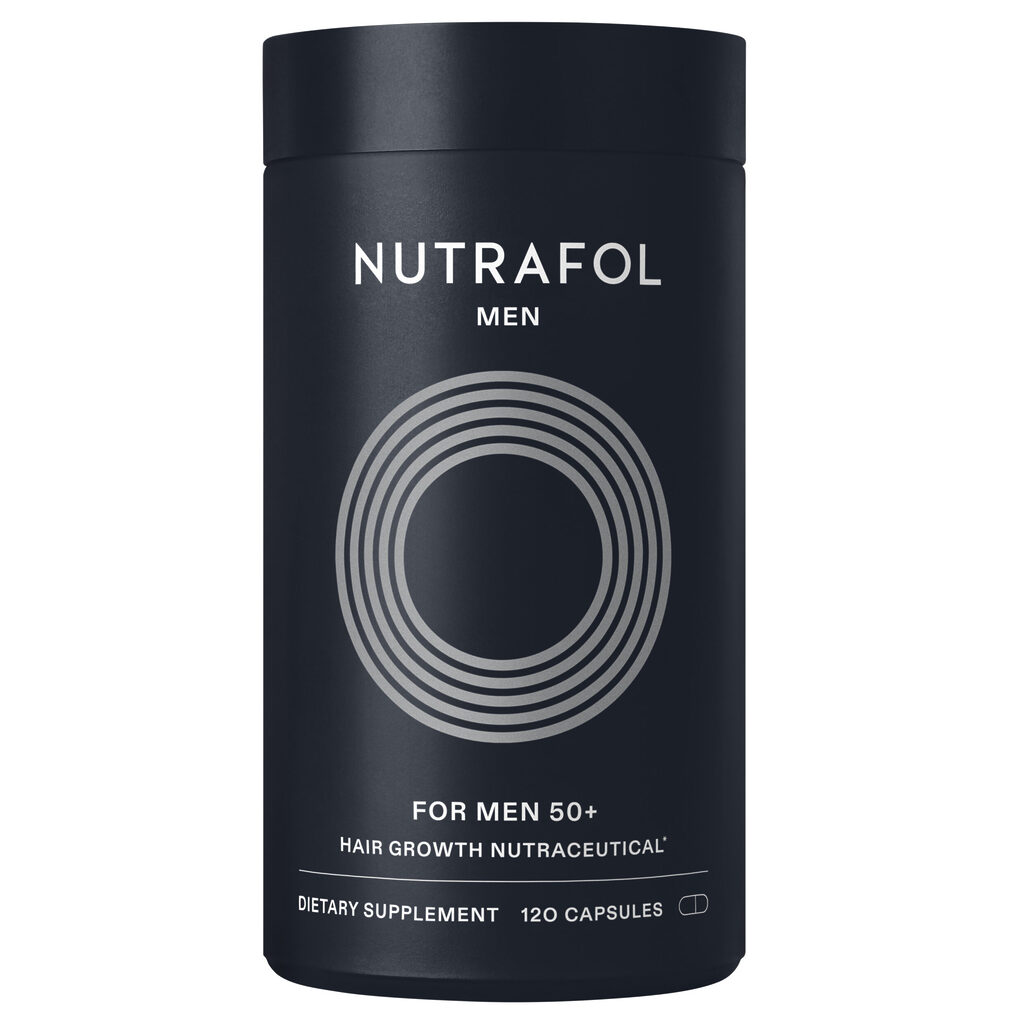
Both formulas are available through the Cunningham Clinic Store’s Nutrafol collection. The Cunningham Clinic also carries Nutrafol’s scalp and hair care line, including the Nutrafol Men 2-in-1 Shampoo and Conditioner, designed to support scalp health alongside internal supplementation.

As with any supplement, results require consistent daily use over several months. Most men taking physician-formulated hair growth supplements report noticeable reductions in shedding within the first one to two months, with visible improvements in density and thickness becoming more apparent between months four and six.
Building a Complete Hair Loss Plan
Because multiple factors usually drive hair thinning at once, the most effective approach tends to combine more than one strategy. Here’s a practical framework:
- Identify the type of hair loss. The treatment approach for androgenetic alopecia differs from that for telogen effluvium or alopecia areata. A dermatologist or qualified healthcare provider can help clarify this.
- Address any nutritional gaps. Blood work can identify deficiencies in iron, vitamin D, zinc, and other nutrients that affect hair health. Addressing these through diet or targeted supplementation is a logical first step.
- Consider a multi-pathway supplement. If you’re looking for a non-pharmaceutical option, a well-researched nutraceutical that targets DHT, stress, inflammation, and nutritional support simultaneously offers a more comprehensive approach than single-ingredient products.
- Evaluate topical or procedural options. Depending on the degree of thinning, topical minoxidil, LLLT, PRP, or microneedling may complement internal supplementation.
- Support your plan with lifestyle habits. Diet, sleep, stress management, and scalp care all influence how well other interventions work.
- Be consistent and patient. Hair follicles operate on a slow biological timeline. Most evidence-based approaches require three to six months of consistent use before meaningful changes become measurable.
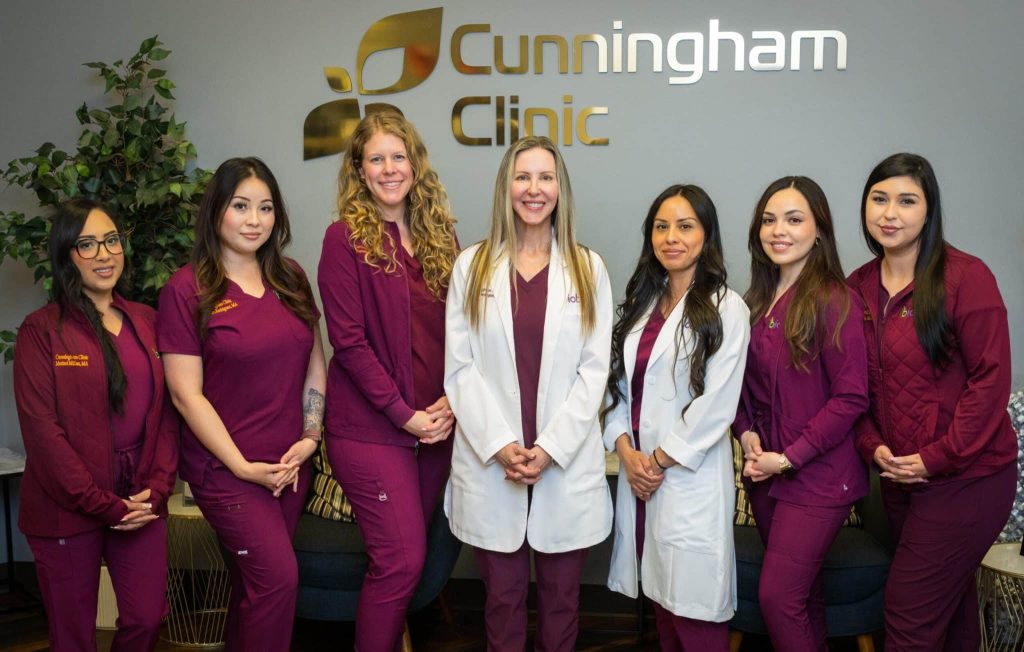
If you’re also experiencing broader symptoms of hormonal imbalance—fatigue, mood shifts, reduced libido—it may be worth exploring a more comprehensive evaluation. The team at Cunningham Clinic offers personalized hormone therapy and wellness consultations for men navigating these changes.
This article is for educational purposes only. The Food and Drug Administration has not evaluated the supplement statements included here. Always consult your doctor before beginning any new supplement, nutraceutical, or treatment.
Frequently Asked Questions
What are the most common causes of hair loss in men?
The most common cause is androgenetic alopecia (male pattern hair loss), driven by genetic sensitivity to DHT. Other common contributors include stress-related telogen effluvium, nutritional deficiencies, oxidative stress, scalp inflammation, and age-related hormonal changes.
What vitamins are most important for hair growth?
Key vitamins and nutrients for hair growth include biotin, iron, vitamin D, zinc, and B vitamins. Amino acids like L-cysteine, L-lysine, and L-methionine are also important, as hair is made primarily of the protein keratin. Tocotrienols (a form of vitamin E) have demonstrated promising results in clinical research.
What non-surgical hair growth options are available for men?
Non-surgical hair growth options include FDA-cleared low-level laser therapy (LLLT), platelet-rich plasma (PRP) injections, microneedling, topical minoxidil, and physician-formulated hair growth supplements. These approaches are often used in combination for better results.
How long does it take to see results from hair growth vitamins or supplements?
Most men using hair-focused supplements notice reduced shedding within the first one to two months. Visible improvements in thickness and coverage typically appear between months three and four, with the most significant changes occurring at the five- to six-month mark of consistent daily use.
Is Nutrafol a good option for men with hair loss?
Nutrafol is one of the more researched physician-formulated nutraceuticals for hair thinning in men. Clinical studies support improvements in hair growth, shedding, volume, and thickness with consistent use. It is not a pharmaceutical and does not carry the sexual side effects associated with finasteride. It works best as part of a broader hair health strategy rather than as a standalone solution.
Where can I buy Nutrafol for Men?
Nutrafol for Men and Nutrafol for Men 50+ are available at the Cunningham Clinic Store. Free shipping applies to orders over $100. You can also reach the Cunningham Clinic team directly at 720-780-2555 with questions about which formula may be right for your situation.
When should I see a doctor about hair loss?
It’s a good idea to consult a healthcare provider if hair loss is sudden, patchy, or accompanied by other symptoms such as fatigue, skin changes, or scalp pain—as these may indicate an underlying medical condition. A provider can also help you evaluate your options and identify any nutritional deficiencies that may be contributing to thinning.



Comments are closed