


NAC vs Glutathione: Which Antioxidant Is Right for You?

Quick answer: NAC (N-acetylcysteine) and glutathione are closely related antioxidants, but they work differently in the body. NAC is a precursor your cells use to build glutathione, while glutathione is the finished antioxidant molecule. NAC tends to absorb more easily in standard capsule form. At the same time, glutathione often requires special formulations, like liposomal or S-acetyl versions, to bypass digestive breakdown and reach your bloodstream effectively.
If you’ve spent any time exploring antioxidant supplements, you’ve likely come across both NAC and glutathione recommended for immune support, detoxification, and healthy aging. They’re often mentioned together, and for good reason: these two compounds are biologically linked. But that connection can also make it confusing to figure out which one actually fits your needs.
This guide breaks down what NAC and glutathione are, how they function in your body, and the key differences that matter when choosing between them. We’ll also walk through the health areas where each has been studied so that you can make an informed decision about your antioxidant support routine. Whether you’re focused on respiratory health, liver support, or want to understand the science before shopping the NAC & Glutathione category at Cunningham Clinic, this article is your starting point.
What Is NAC (N-Acetylcysteine)?

NAC is a modified form of the amino acid L-cysteine. According to a review published by researchers affiliated with Johns Hopkins, N-acetylcysteine is “a synthetic derivative of the endogenous amino acid L-cysteine and a precursor of GSH [glutathione]” (Johns Hopkins, 2021). In plain terms, NAC supplies your body with a key building block it needs to make its own glutathione.
Because cysteine is considered the “rate-limiting” ingredient in glutathione production, meaning your body can only make as much glutathione as it has available cysteine, supplementing with NAC gives your cells more raw material to work with (MDPI, 2020).
How NAC Supports the Body
NAC has been studied for its role in respiratory health more than almost any other application. In the HIACE study, a one-year, double-blind, placebo-controlled trial published in Chest, researchers gave patients with stable COPD high-dose NAC (600 mg twice daily) and tracked outcomes over 12 months. The results showed a significant reduction in exacerbation frequency: 0.96 exacerbations per year in the NAC group compared to 1.71 per year in the placebo group (Tse et al., Chest, 2013).
A separate, larger trial called PANTHEON, published in The Lancet Respiratory Medicine, tested the same 600 mg twice-daily dose in over 1,000 patients with moderate-to-severe COPD. That study found 1.16 exacerbations per patient-year in the NAC group versus 1.49 in the placebo group, a statistically significant difference (risk ratio 0.78, p=0.0011) (Zheng et al., Lancet Respiratory Medicine, 2014).
Beyond respiratory health, researchers have also studied NAC in athletic recovery. A systematic review and meta-analysis examined NAC’s impact on lactate levels, oxidative stress markers, immune response, and muscle damage, finding promising results for post-exercise recovery (Wiley/Journal of Cellular and Molecular Medicine, 2024).
NAC Product Options
If you’re interested in trying NAC, Cunningham Clinic carries a couple of trusted options:

- Thorne NAC (N-Acetylcysteine) – 90 capsules and 180 capsules: A straightforward, well-reviewed formulation for those wanting a standard NAC supplement.

- XYMOGEN NAC – 120 Capsules: Another highly-rated option for those looking to support antioxidant and detoxification pathways.
What Is Glutathione?
Glutathione is often called the body’s “master antioxidant,” and the description fits. It’s a tripeptide, meaning it’s built from three amino acids (glutamate, cysteine, and glycine), and it’s produced and maintained at high concentrations inside virtually every cell in your body. Research describes glutathione as “one of the mechanisms by which cells protect themselves from oxidative stress” (Current Neuropharmacology, 2021).
Unlike NAC, which acts as a precursor, glutathione is the finished antioxidant. It works directly in your cells to neutralize free radicals and support your body’s natural detoxification processes, particularly in the liver.
The Bioavailability Challenge
Here’s where things get interesting: oral glutathione faces a significant hurdle. Stomach acid and digestive enzymes can break glutathione down before it reaches your bloodstream, limiting how much your body absorbs. This is a well-documented challenge in supplement science, which is why you’ll see glutathione sold in several different specialized forms.
Research comparing liposomal glutathione (glutathione wrapped in a fat-based delivery system) to standard glutathione found that the liposomal version “outperforms plain glutathione in uptake, cell regeneration, and systemic availability,” based on both cellular and human models (British Journal of Nutrition, Cambridge University Press). Liposomal delivery essentially gives glutathione a protective shell, helping it survive digestion intact.
Glutathione Product Options
To account for this absorption challenge, Cunningham Clinic offers glutathione in a few different stabilized forms:
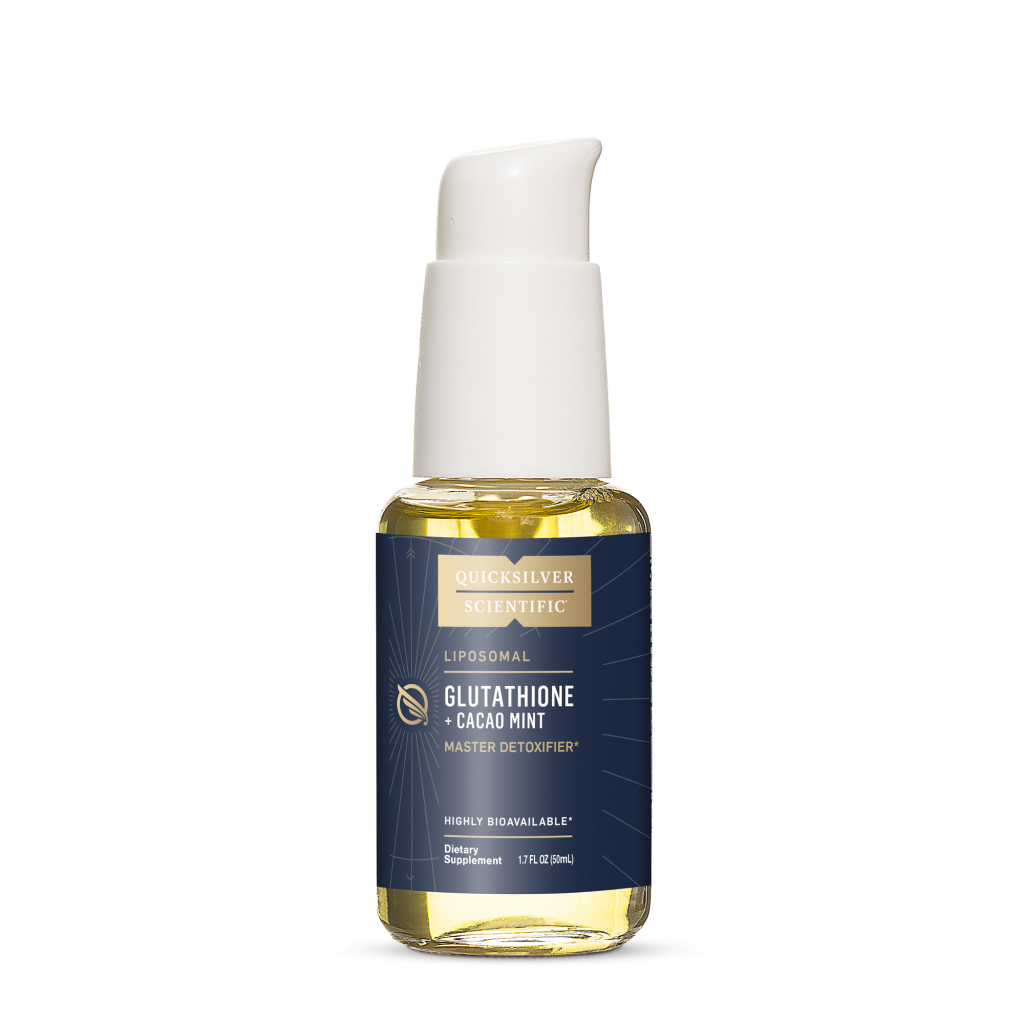
- Quicksilver Scientific Liposomal Glutathione: Uses liposomal technology to help glutathione survive digestion and reach your cells more effectively.

- Thorne Glutathione-SR – 60 Capsules: A sustained-release formulation designed to support steady absorption over time.

- XYMOGEN S-Acetyl Glutathione – 60 Capsules: A stabilized, acetylated form of glutathione formulated for improved stability and cellular uptake.
Key Differences Between NAC and Glutathione
Now that you understand what each compound does individually, let’s put them side by side.
Function: Precursor vs. Direct Antioxidant
Think of NAC as the raw ingredient and glutathione as the finished product. NAC supplies your body with cysteine so your cells can synthesize their own glutathione, while glutathione works immediately as an active antioxidant once it’s absorbed.
Bioavailability: A Meaningful Distinction
NAC generally absorbs more easily in standard capsule form because it’s a smaller, simpler molecule. Glutathione, by contrast, is a larger tripeptide that’s more vulnerable to digestive breakdown, which is why liposomal and S-acetyl forms exist. Choose NAC if straightforward oral absorption matters more to you; choose liposomal or stabilized glutathione if you specifically want to support circulating glutathione levels.
Stability and Formulation
Because of the absorption challenges described above, glutathione supplements tend to rely on more specialized (and often pricier) delivery technology. NAC, needing no such workaround, is typically available in simpler, more affordable capsule form.
Cost Considerations
Generally, NAC supplements are more budget-friendly than their glutathione counterparts, largely because liposomal or acetylated glutathione formulas add manufacturing complexity.
Health Benefits Comparison
Immune Support and Antioxidant Protection
Both NAC and glutathione support the body’s antioxidant defenses. NAC does so indirectly, by feeding glutathione production, while glutathione acts directly in cellular defense against oxidative stress.
Respiratory Health and Lung Function
This is where NAC has the strongest clinical evidence. Both the HIACE and PANTHEON trials referenced above demonstrated measurable reductions in COPD exacerbations with high-dose NAC supplementation, making it a well-studied option for those focused on respiratory wellness.
Liver Detoxification Support
Glutathione is closely tied to liver function, since it’s a primary molecule your liver uses in its natural detoxification processes. NAC supports this same pathway indirectly by helping replenish the glutathione your liver relies on.
Athletic Performance and Recovery
As noted earlier, NAC has been studied for its impact on lactate, oxidative stress, and muscle recovery following exercise, making it a compound of interest for active individuals.
Which Should You Choose?
Given how closely these two compounds are connected, the right choice often comes down to your specific goals and preferences.
- Choose NAC if you want a well-studied, easily absorbed antioxidant precursor, particularly if respiratory support or athletic recovery is your primary focus.
- Choose glutathione if you want to support your body’s active antioxidant and detoxification levels directly, and you’re comfortable investing in a liposomal or stabilized formulation to maximize absorption.
- Consider both if you want comprehensive support. Because NAC helps your body produce more glutathione, some people combine a NAC supplement with a stabilized glutathione product for a layered approach.
There’s no single “better” option; it depends on your individual health goals. As always, talk with your healthcare provider about your specific needs and health history before adding any new supplement to your routine, especially if you have existing health conditions or take medications.
Featured NAC & Glutathione Products
If you’re ready to explore your options, here are three products worth considering from the Cunningham Clinic store:
Thorne NAC (N-Acetylcysteine) – 90 capsules
A well-reviewed, entry-level NAC supplement ideal for those exploring antioxidant precursor support for the first time.
Quicksilver Scientific Liposomal Glutathione
For those wanting direct glutathione support with enhanced absorption, this liposomal formula helps glutathione survive digestion and reach your cells.
XYMOGEN S-Acetyl Glutathione – 60 Capsules
A stabilized, premium glutathione option formulated for cellular uptake, ideal for those seeking a more concentrated antioxidant approach.
Making Sense of NAC and Glutathione
NAC and glutathione aren’t competitors so much as two parts of the same antioxidant story. NAC gives your body the raw material to build glutathione internally, while glutathione supplements deliver the finished antioxidant directly, provided the formulation can survive digestion to get there. Understanding this relationship makes it much easier to figure out which product, or combination of products, aligns with your wellness goals.
Before starting any new supplement, it’s a good idea to talk with your healthcare provider, especially if you’re managing a chronic condition or currently taking medication. Cunningham Clinic’s team is also available to answer questions about our NAC and glutathione product lineup at 720-780-2555.



Comments are closed